
Buying groceries without a plan can lead to overspending, duplicate purchases, and food that goes unused. A thoughtful grocery budget helps you manage your money while making better use of the ingredients already in your kitchen.
The goal is not to create a perfect plan or avoid every food scrap. Instead, it is to build simple habits that make it easier to buy the right amount, use food on time, and adjust when plans change.
Start With Your Current Grocery Habits
Before creating a new budget, look at how you currently shop. Review grocery receipts, bank statements, or shopping app records from the past month. If you do not have exact records, estimate your usual weekly spending.
Track these details:
– How much you spend on groceries each week
– How often you make extra shopping trips
– Which foods are often thrown away
– Which ingredients you buy repeatedly
– How often you order takeout because food is unavailable or difficult to prepare
This review can reveal patterns. For example, you may find that fresh produce is going unused, that you buy snacks in larger quantities than needed, or that last-minute shopping trips increase your total spending.
Do not treat this step as a test. The purpose is to understand your routine so your budget fits your real life.
Set a Realistic Weekly Grocery Amount
Choose a grocery amount based on your household size, eating habits, and local prices. A budget that is too restrictive may be difficult to maintain and could encourage rushed or unplanned purchases.
Start with your average spending from the previous month. Then consider whether you need to make a small adjustment. You may want to reduce spending gradually rather than setting a much lower limit immediately.
A weekly budget can be easier to manage than a monthly budget because it matches the way many people shop. However, some items, such as cleaning supplies or pantry staples, may only be purchased once every few weeks. You can create a separate category for these less frequent purchases.
For example, your grocery plan might include:
– Weekly food budget
– Household supplies budget
– Occasional pantry restocking budget
– Small amount for flexible or unexpected items
A flexible category is useful because plans do not always go as expected. You may need an extra ingredient, host a guest, or replace a staple that runs out sooner than planned.
Check What You Already Have
One of the best ways to reduce food waste is to shop from your own kitchen first. Before making a list, check the refrigerator, freezer, and pantry.
Look for foods that should be used soon, including:
– Produce that is becoming soft
– Open containers
– Leftovers
– Dairy products near their use-by date
– Cooked grains, pasta, or beans
– Frozen foods that have been stored for a long time
Group similar items together so you can see what you have. You may discover enough ingredients for a meal or find a substitute for something on your shopping list.
A quick kitchen check also prevents duplicate purchases. If you already have rice, canned tomatoes, or several jars of pasta sauce, you can leave those items off the list.
Plan Meals Around Existing Ingredients
Instead of starting with recipes you want to try, begin with the ingredients that need attention. Build two or three meals around those foods, then add recipes that use ingredients you are likely to finish.
For example, a bunch of spinach could be used in:
– Omelets or scrambled eggs
– Pasta
– Soup
– Sandwiches
– Smoothies
A roasted chicken might become dinner one night, then filling for sandwiches, salads, or tacos the next day.
You do not need to plan every meal in detail. A simple weekly outline may be enough:
– Three planned dinners
– Two easy leftover meals
– Flexible breakfasts and lunches
– One meal using pantry or freezer ingredients
This approach gives you structure without making the week feel rigid. It also allows you to use leftovers before buying more food.
Choose Ingredients That Work in Several Meals
When comparing recipes, look for shared ingredients. If one recipe uses half a bell pepper and another uses the rest, you are more likely to use the entire item.
Helpful ingredients for flexible meals include:
– Eggs
– Rice
– Pasta
– Tortillas
– Canned beans
– Frozen vegetables
– Potatoes
– Oats
– Plain yogurt
– Fresh herbs or greens
Buying versatile ingredients can make your grocery budget more useful and reduce the chance that a single-purpose item will be forgotten.
Build a Shopping List With Quantities
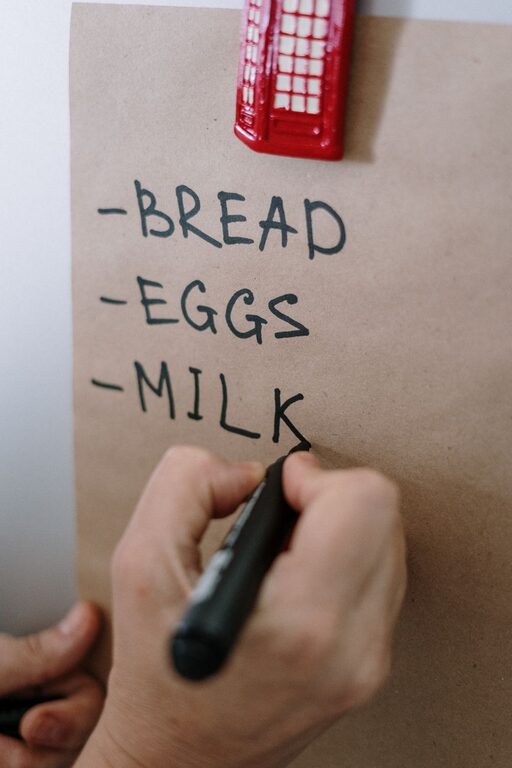
A shopping list is more effective when it includes amounts. Writing “apples” may lead you to buy a large bag when you only need a few. Estimate how much your household will use before the next shopping trip.
Organize your list by store section, such as:
– Produce
– Dairy and eggs
– Meat or other proteins
– Pantry items
– Frozen foods
– Household supplies
Add notes when needed. For example, write “one small container” or “enough for two meals.” This helps you avoid buying more than your plan requires.
If you shop online, review the cart before placing the order. Online shopping can make it easier to compare prices and remove impulse items, but it can also encourage buying larger quantities because of discounts.
Account for Food That Spoils Quickly
Some foods have a short useful life, while others can be stored for weeks or months. Your budget should reflect this difference.
Buy smaller amounts of highly perishable foods unless you already have a plan to use them. These may include:
– Fresh berries
– Salad greens
– Soft fruits
– Fresh herbs
– Bakery items
– Delicate vegetables
Frozen or canned alternatives may be useful when fresh food is difficult to finish. You can also buy frozen portions of ingredients that are commonly wasted, such as chopped vegetables or fruit for smoothies.
When bringing groceries home, store them where you will remember to use them. Place foods that need attention soon in a visible area of the refrigerator. Keep longer-lasting items toward the back.
Set a Leftover Plan
Leftovers are easier to use when you decide how they will fit into the week. Label containers with the food and date, and place them where they are easy to see.
You might plan to:
– Eat leftovers for lunch the next day
– Freeze extra portions
– Add cooked vegetables to a new meal
– Turn meat or beans into wraps or bowls
– Use small amounts in soups, omelets, or fried rice
Avoid preparing more food than your household can reasonably eat. If a recipe makes too many servings, divide the extra portions before serving and freeze them when appropriate.
Review Your Budget Each Week
At the end of the week, take a few minutes to review what worked. Compare your spending with your budget and note any food that went unused.
Ask yourself:
– Which purchases were useful?
– What did I buy but not need?
– Which meals were easy to prepare?
– What spoiled before I could use it?
– Did I have enough flexible food for unexpected changes?
Use the answers to adjust the next list. If a certain item repeatedly goes to waste, buy less, choose a longer-lasting option, or remove it from your regular shopping routine.
A grocery budget should change as your schedule, household, and preferences change. Regular reviews help keep it practical.
Make Waste Reduction Part of the Budget
A successful grocery budget does more than limit spending. It helps you buy with purpose. By checking your kitchen, planning flexible meals, choosing practical quantities, and reviewing your habits, you can reduce waste without making grocery shopping complicated.
Start with one or two changes, such as planning meals around food you already have or adding quantities to your shopping list. Small improvements can lower your grocery costs and help more of the food you buy make it onto the table.