
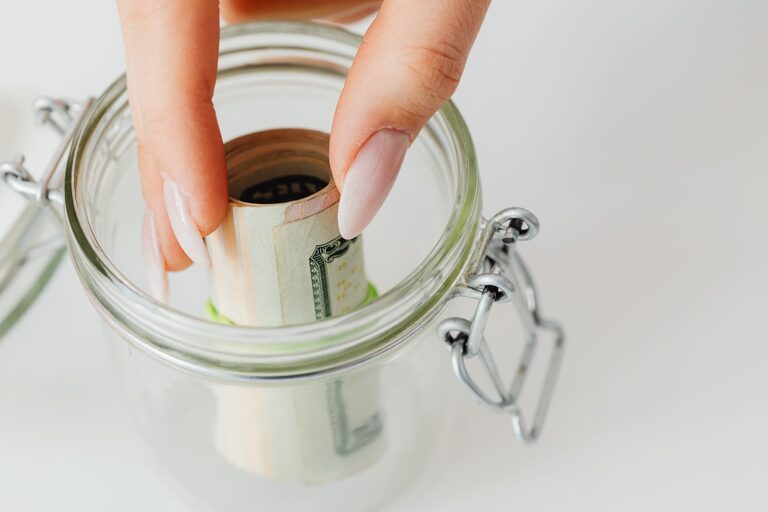
Unexpected expenses can appear at any time. A car repair, home maintenance issue, sudden move, or temporary loss of income can place pressure on a household budget. An emergency fund provides a financial cushion for these situations.
Building one may seem difficult if you can only set aside a small amount at a time. However, regular contributions can add up. The goal is not to create a large balance immediately. The goal is to develop a steady saving habit that fits your current circumstances.
Start With a Clear Purpose
An emergency fund is designed for unexpected, necessary expenses. It is different from money saved for planned purchases, holidays, gifts, or entertainment.
Examples of possible emergency expenses include:
– Essential home or vehicle repairs
– Urgent travel for a family situation
– Temporary income interruptions
– Unexpected household bills
– Replacing an important item that stops working
Defining the purpose of the fund can make it easier to decide when to use it. A clear purpose may also help you avoid spending the money on everyday wants.
Choose a Small Starting Amount
Many people delay saving because they believe their first contribution must be large. In reality, starting with a manageable amount can be more effective than waiting for extra money that may never appear.
Consider choosing an amount that feels realistic, such as:
– A few dollars each week
– A small amount from each paycheck
– The cost of one inexpensive purchase
– A percentage of occasional extra income
The best starting amount is one you can contribute consistently without making it harder to pay for essential needs. You can always increase it later.
Make Contributions Automatic
Automatic transfers can make saving easier because they reduce the number of decisions you need to make. You may be able to schedule a recurring transfer from your main account to a separate savings account.
A useful schedule might be:
– Weekly, if you receive regular weekly income
– Every two weeks, if your pay follows that schedule
– Monthly, if your budget is organized by month
Choose a transfer date that works with your cash flow. Some people prefer to transfer money shortly after receiving income, while others prefer to save near the end of a budget period after reviewing their expenses.
If your income changes from month to month, a flexible manual transfer may work better than a fixed automatic amount. The important part is to keep the process simple and repeatable.
Keep the Fund Separate
A separate account can help you recognize which money is available for emergencies. Keeping the fund away from your everyday spending account may reduce the chance of using it casually.
When choosing where to keep the money, look for an option that is:
– Easy to access when needed
– Separate from regular spending
– Clear about fees and account rules
– Appropriate for your local banking protections
An emergency fund generally needs to be accessible. It is usually not intended for money that must remain unavailable for a long period. Review the account terms so you understand how withdrawals, transfers, and fees work.
Look for Small Saving Opportunities
Small changes can create room for contributions without requiring a complete lifestyle overhaul. Review your spending and look for areas where a modest adjustment is possible.
For example, you might:
– Prepare one more meal at home each week
– Review unused subscriptions
– Compare routine service costs
– Wait before making nonessential purchases
– Set aside part of a refund or gift
– Save coins or small amounts left at the end of the week
The goal is not to remove every enjoyable activity from your budget. A plan that feels too restrictive may be difficult to maintain. Focus on changes that are practical and repeatable.
Use Extra Money Strategically
Occasional money can help your emergency fund grow faster. This may include a work bonus, cash gift, rebate, refund, or proceeds from selling items you no longer use.
You do not have to put all extra money into savings. One approach is to divide it among several priorities, such as immediate needs, planned spending, and your emergency fund.
Even a small portion can make a difference. A one-time contribution may cover several weeks or months of regular small deposits.
Track Your Progress
Tracking your balance can help you stay motivated. You can use a banking app, spreadsheet, notebook, or simple progress chart.
Record:
– Your starting balance
– Each contribution
– Any withdrawals
– The reason for each withdrawal
– Your current total
Seeing progress can make the habit feel more rewarding. It also helps you notice whether your contribution amount is comfortable or needs adjustment.
Consider setting short-term milestones instead of focusing only on a large final target. For example, your first milestones might be enough to cover a small repair, an essential bill, or several days of basic expenses.
Plan for Withdrawals
Using your emergency fund does not mean you have failed. The fund exists to help with genuine unexpected needs. If you withdraw money, review the situation calmly and decide how to rebuild the balance.
After a withdrawal:
- Note how much was used.
- Record what the money covered.
- Check whether the expense may happen again.
- Restart regular contributions.
- Adjust the amount if your circumstances have changed.
If the fund is used often for predictable expenses, consider creating a separate category for those costs. For example, annual fees, routine maintenance, and seasonal purchases may be better handled with planned savings.
Increase Contributions Gradually
Once your habit is established, look for opportunities to raise your contribution slightly. Even a small increase can have a noticeable effect over time.
You might increase your savings when:
– Your income changes
– A regular bill ends
– You reduce another expense
– Your budget becomes more stable
– You reach a savings milestone
Try increasing the amount in small steps rather than making a change that feels difficult to maintain. Consistency is often more valuable than an ambitious plan that quickly becomes stressful.
Keep the Plan Flexible
Your emergency fund should reflect your current life. Changes in housing, work, family responsibilities, transportation, or regular expenses may affect how much you can save.
Review your approach occasionally and ask:
– Is the contribution still affordable?
– Is the money easy to access?
– Are there account fees or restrictions to review?
– Have my essential expenses changed?
– Do I need separate savings for planned costs?
A flexible plan can continue working through different seasons of life.
Focus on the Habit
A personal emergency fund does not need to be built in one large step. Small contributions, automatic transfers, careful spending choices, and occasional extra deposits can gradually create a useful cushion.
Start with an amount you can manage, keep the money separate, and track your progress. Over time, the habit may become a regular part of your budget and provide greater confidence when unexpected expenses arise.